

Psychological benefits of an attractive smile: impact on self-esteem, confidence, and relationships

The smile is one of the most powerful and universal human expressions. Its impact goes far beyond aesthetics, as it becomes a direct reflection of each person’s emotional and social well-being. An attractive smile not only transforms appearance, but also plays a fundamental role in building self-esteem, projecting confidence, and enhancing the quality of interpersonal relationships.
Self-esteem: the reflection of inner well-being
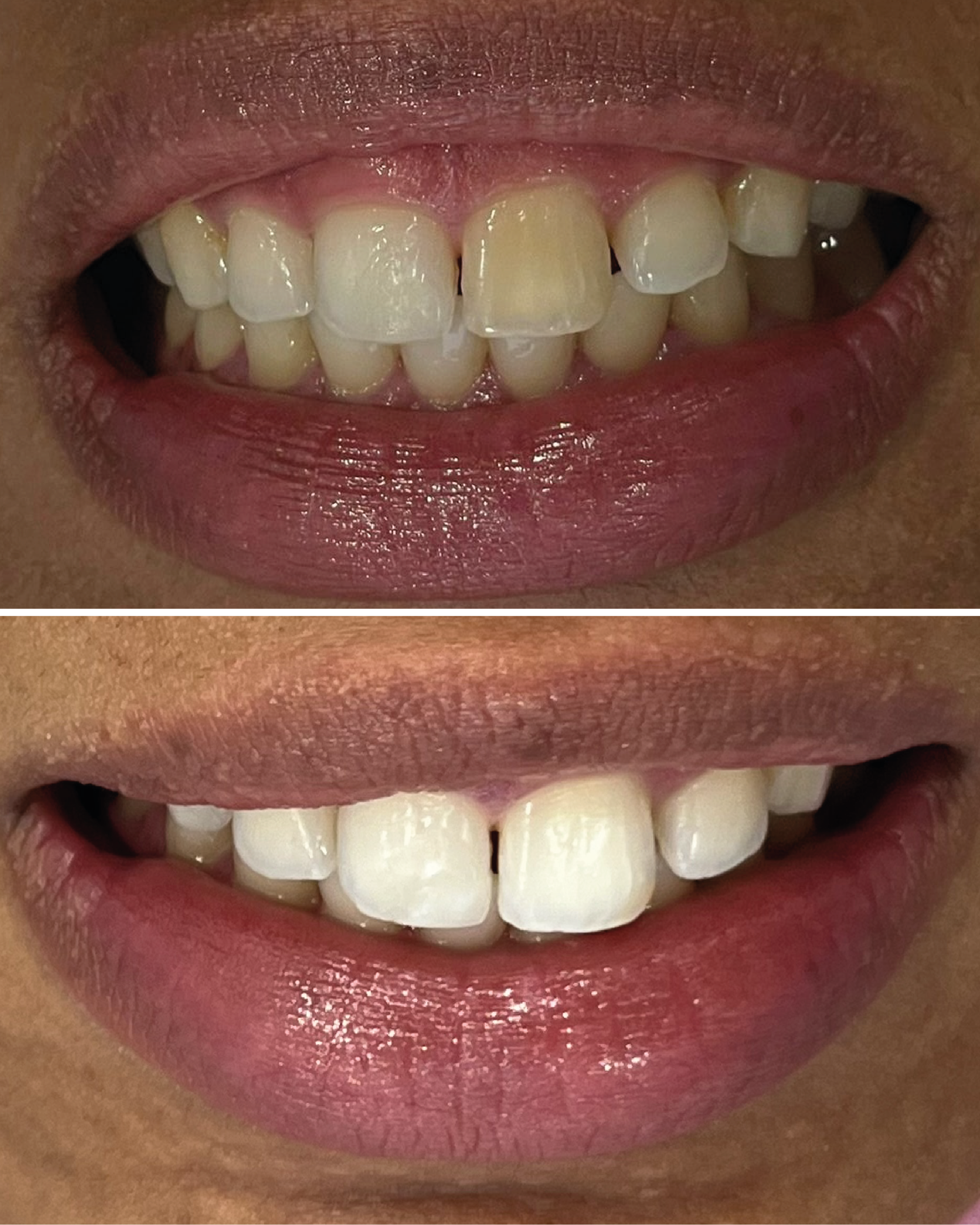
A harmonious and well-cared-for smile can significantly strengthen self-esteem. When individuals feel confident about their appearance, they experience greater emotional well-being and adopt a more positive and proactive attitude toward everyday challenges. Correcting dental imperfections through restorative or aesthetic treatments, such as veneers, crowns, or whitening, allows people to rediscover confidence in their appearance and, consequently, in themselves.
Personal confidence: a key factor in professional and social development
The confidence projected through a confident smile is an essential element in both personal and professional contexts. An attractive smile conveys security, empathy, and openness, key attributes in communication and in building strong relationships. In professional environments, it can make a difference in interviews, presentations, and meetings, enhancing positive perception and creating new opportunities.
Interpersonal relationships: strengthening authentic bonds
The social perception of an attractive smile directly influences the ability to establish and maintain meaningful relationships. A pleasant smile is interpreted as a sign of kindness, approachability, and trust factors that foster the creation of deeper and more lasting connections. This advantage is not only evident in personal life but also in professional settings, by strengthening networks and promoting effective collaboration.
Global Emotional Well-being
In addition to aspects related to self-esteem and confidence, smiling has positive physiological effects. Various studies have shown that smiling triggers the release of endorphins and reduces cortisol levels, contributing to stress reduction and promoting a more optimistic and resilient attitude toward everyday life challenges.
Conclusion
Caring for one’s smile goes far beyond aesthetics: it represents a strategic investment in emotional health, professional projection, and the strengthening of interpersonal relationships. In an increasingly competitive and image-oriented environment, an attractive smile not only opens doors but also enhances the perception of competence, empathy, and confidence.